透明地解决复杂问题

理解复杂系统背后的基本机制。

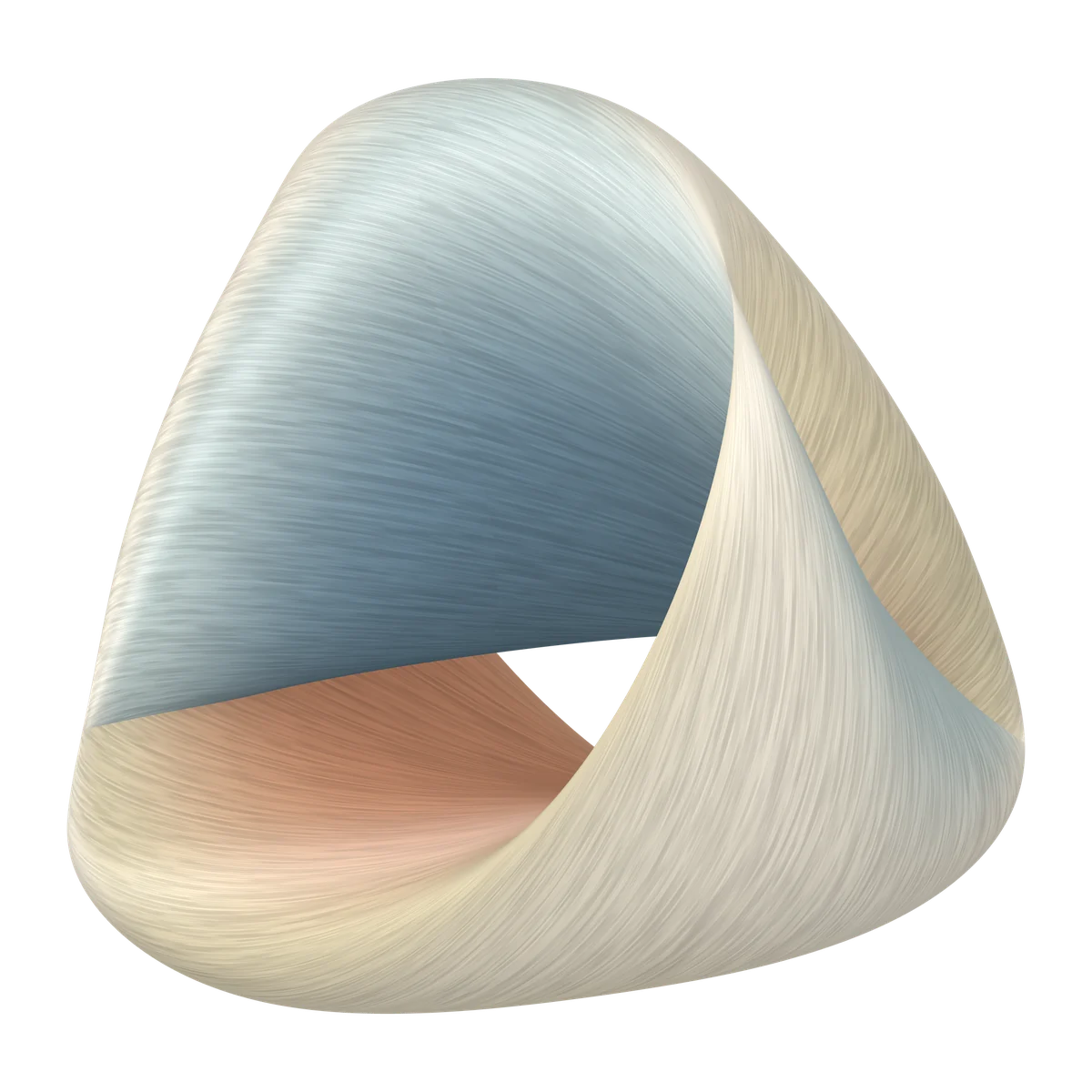
图 1

我们研究复杂系统内部是如何运作的。我们的主要工作是机制可解释性:拆解训练好的神经网络,找出它们学到的算法。知道了算法,就能缩小模型,向依据模型做决定的人解释它的判断,并限制它被允许做的事。我们也研究深部矿山和矿物识别,在这些领域,人们需要先理解模型再采取行动。

§ 1

研究

全部研究
§ 2

方法

即使在看似混沌的系统里,也有一些部分遵循精确的规律。我们寻找这些部分,并把规律写下来。

y py
图 2 同一系统在 E = 1/8 时的庞加莱截面。每条闭合曲线都是一条被约束在不变环面上的轨道。散落的点来自混沌轨道。由您的浏览器实时计算。

这张图来自 Hénon–Heiles 系统,即描述恒星在星系中运动的模型,我们的标志也取自这个系统。几乎从任何地方出发的轨道都会散布到整张图上。从合适的位置出发,轨道则会永远停留在一条闭合曲线上。

我们在其他系统中寻找同样的秩序。在训练好的网络里,它是网络学到的算法。在矿山里,它是一直影响到产量的那部分地质不确定性。

关于

§ 3

代表性论文

全部论文
  1. 矿业
    Geostatistical Discrete Rate Simulation of Coupled Mine, Processing, Tailings, and Backfill Systems

    Arthur Ayestas Hilgert, Alessandro Navarra

    42nd International Symposium on the Application of Computers and Operations Research in the Mineral Industry (APCOM 2027), Montréal 已录用

    交互图

  2. 可解释性
    Deep neural networks divide and conquer dihedral multiplication

    Sihui Wei, Gavin McCracken, Gabriela Moisescu-Pareja, Harley Wiltzer, Doina Precup, Irina Rish, Jonathan Love

    International Conference on Machine Learning (ICML 2026)

    交互图

  3. 可解释性
    On the Geometry and Topology of Representations: The Manifolds of Modular Addition

    Gabriela Moisescu-Pareja, Gavin McCracken, Harley Wiltzer, Vincent Létourneau, Colin Daniels, Doina Precup, Jonathan Love

    International Conference on Learning Representations (ICLR 2026)

    交互图

  4. 可解释性
    Uncovering a Universal Abstract Algorithm for Modular Addition in Neural Networks

    Gavin McCracken, Gabriela Moisescu-Pareja, Vincent Létourneau, Doina Precup, Jonathan Love

    Neural Information Processing Systems (NeurIPS 2025)

    交互图

§ 4

我们的团队

认识团队
  • Arthur Ayestas Hilgert

    联合创始人

  • Gavin McCracken

    联合创始人

  • Gabriela Moisescu-Pareja

    联合创始人

  • Sihui Wei

    研究员